Stirling Castle
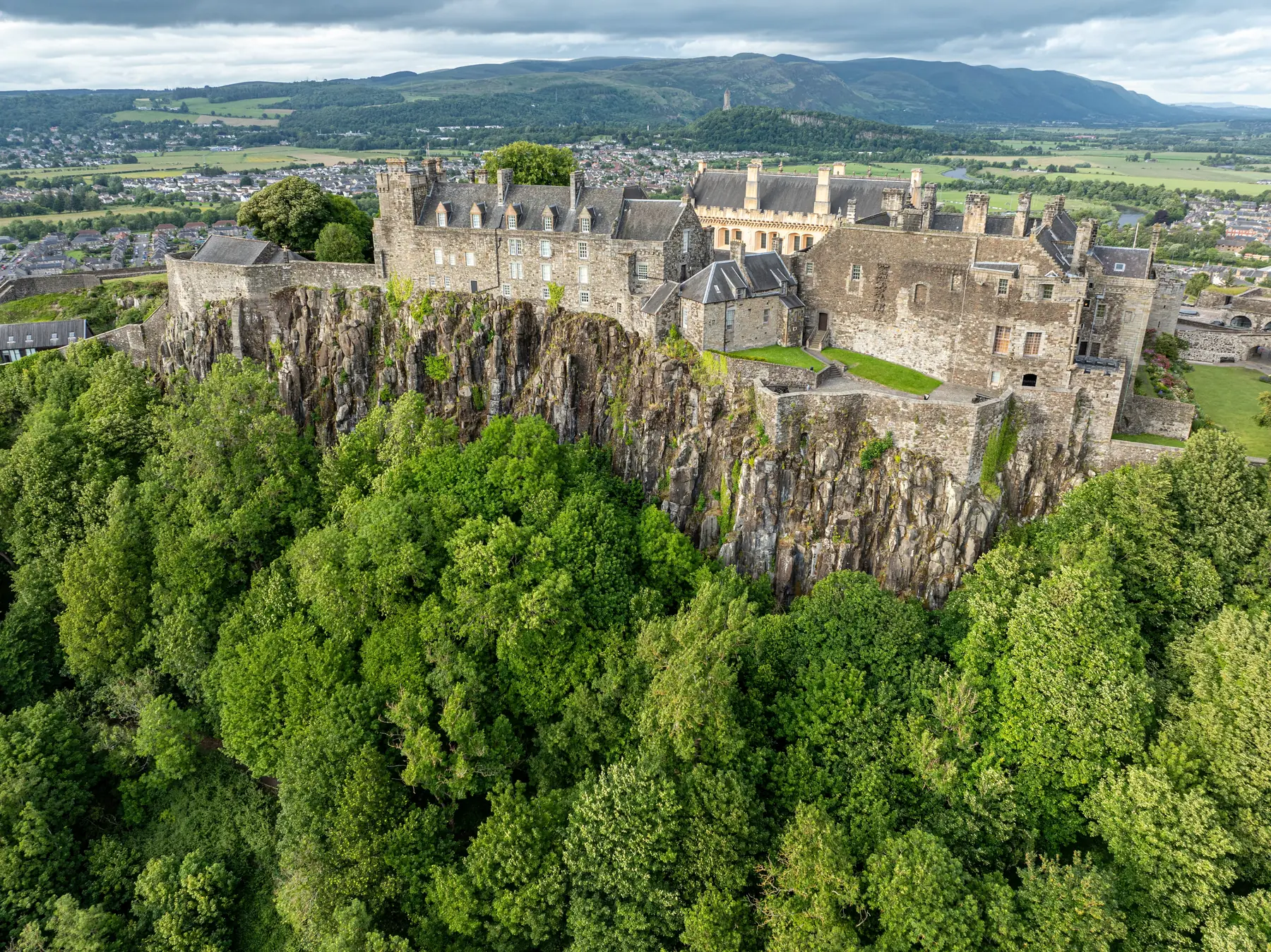
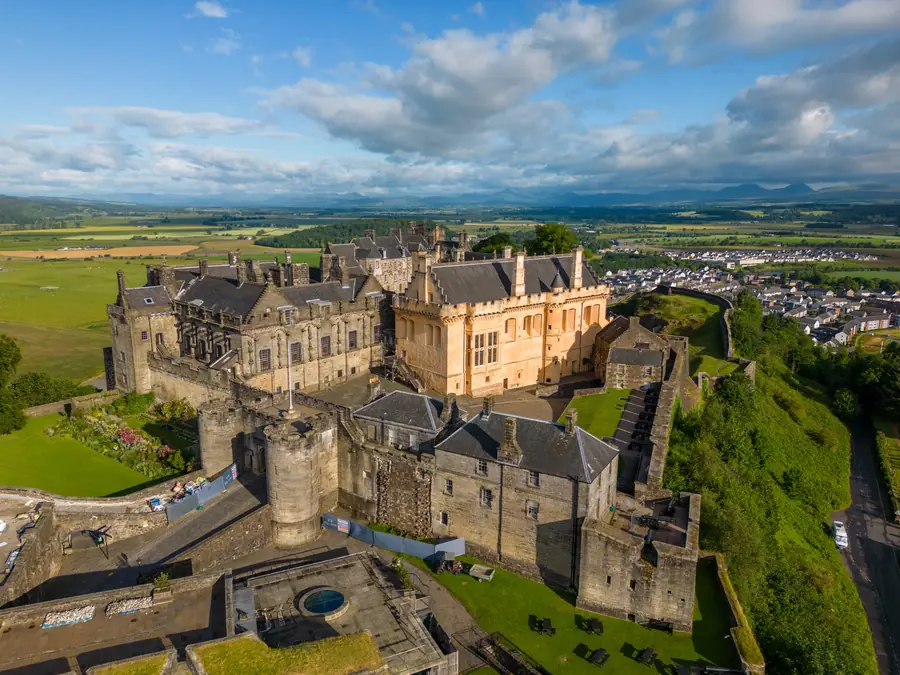
Stirling Castle, located in Stirling, is one of the largest and most historically and architecturally important castles in Scotland.
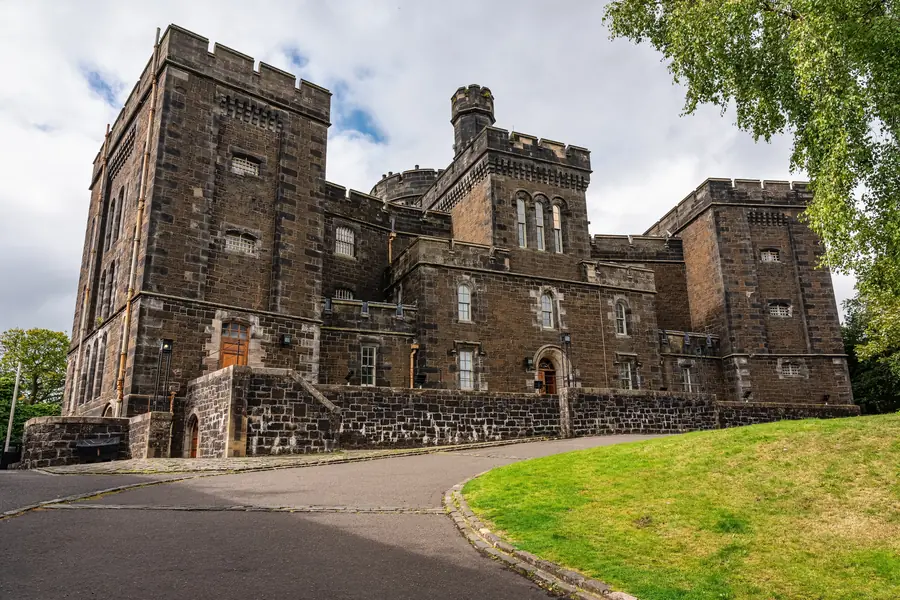
Stirling Castle, The National Wallace Monument and more: the attractions, the days out and how to plan your visit.
Stirling is a city on a crag in central Scotland, 26 miles (42 km) north-east of Glasgow and 37 miles (60 km) north-west of Edinburgh, with a population of 37,730 in 2024. Its history is a river crossing. The Forth meanders east out of the Trossachs and swells where the Teith joins it, and Stirling was the lowest point early builders could span with a bridge — so whoever held it held the all-weather route between Edinburgh and the Highlands. The Scots beat English armies twice on the ground nearby, at Stirling Bridge and at Bannockburn. Since the Jacobites failed to take the castle in 1746 it has been a quiet market town living off farming; heavy industry went to Falkirk and Grangemouth instead, which is why the old centre survived. The University of Stirling, founded in 1967, adds some 8,500 undergraduates and 4,000 postgraduates. The circuit of the central sights is 2.7 km of walking.
The castle stands on an intrusive crag, part of the Stirling Sill, with cliffs on three sides; until the 1890s it looked down on the furthest-downstream crossing of the Forth. It carries 4.6 from 35,512 Google reviews, and the old town runs downhill from its esplanade. Castle Wynd drops past Argyll’s Lodging — a 17th-century town house the Royal Commission regards as “the most important surviving town-house of its period in Scotland”. The 15th-century Church of the Holy Rude is where James VI was crowned; in the cemetery beside it, one gravestone depicts an 1822 victim of body-snatching. St John Street carries the Old Town Jail, which holds both an actor-led tour and the tourist office. On the flat below are the King’s Knot earthworks and, on Albert Place, the Stirling Smith Art Gallery and Museum, founded in 1874 and holding the world’s oldest football, with King’s Park beyond. The station sits on Goosecroft Road in the centre, the castle a fifteen-minute walk north of it and the bus station 200 m away on the same road.
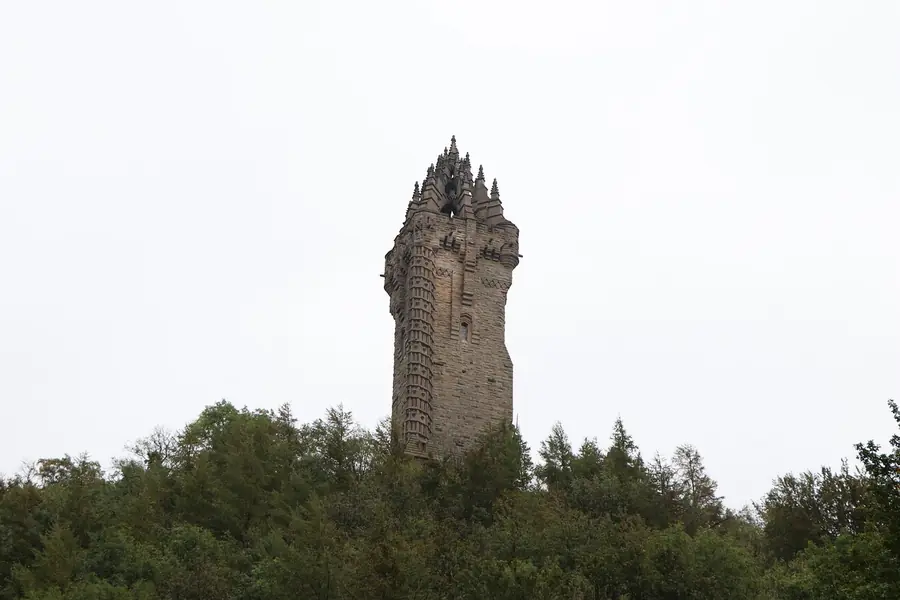
Three more sit outside that walk. The National Wallace Monument, a 67 m (220 ft) tower on the shoulder of Abbey Craig across the river, is ticketed and climbed by a narrow spiral staircase; from the free car park below, a visitor in July 2026 set out the choice as “a 10-15 min pathway hike or a free shuttle ride”. Cambuskenneth Abbey lies in a meander of the Forth, reduced to foundations apart from its bell tower and the tomb of James III. South of the city at Bannockburn are the Robert the Bruce statue and monument, free to visit, and the National Trust for Scotland visitor centre.
Across the 210 visitor reviews collected for Stirling’s sights and operators, 28 mention crowds, queues or parking — and the pressure is almost all parking. The castle is the sore point. A visitor in August 2026 wrote, “Car parking chaotic”, and that “The car park at the castle is hard to get to and closed to cars.” Another that month was content with the alternative: “The main parking was closed, but the Park and Ride bus service was seamless.” Castleview park and ride is 2.5 km out. Crowding itself is mild. A visitor at the Wallace Monument in August 2026 said it “was quite busy when we visited, but this did not take away from the experience”. Only at Blair Drummond Safari Park did numbers cost anything: a visitor that month missed “either of the sea lion shows as there were too many people crowded around the pool area.”
Booking and the season matter more. Blair Drummond sells no tickets at the gate, and the Bannockburn experience is timed-entry with limited capacity that often books out. Cambuskenneth Abbey shuts for the winter — a visitor in October 2024 found the “Ruins are closed for winter”, and one in September 2025 arrived to find the site “was locked up despite saying it was open on line”. Against all that the Smith stays calm: a visitor in June 2026 wrote, “The place was so quiet on a Saturday. I don’t know why because I enjoyed it.”
A day covers the centre. The walking day published here runs castle, Old Town Jail, coffee on Bow Street, the Smith, lunch on Castle Wynd and King’s Park: 2.7 km, about 45 minutes on foot spread across the day, plus roughly 20 minutes back to the car park on Goosecroft Road. The castle takes most of a morning with guided tour and audio guide; the Smith takes as long as it is given, and a visitor in June 2025 “spent two hours here and could have doubled that time”; the Bannockburn experience runs about an hour inside. With young children, the castle and the jail alone make a short outing, roughly fifteen minutes’ walking; in rain, those two are also the stops that work. Half a day buys the castle and the top of the old town, nothing more; two nights adds the Wallace Monument, Bannockburn, Cambuskenneth and a day out. One caveat about the jail: a visitor in July 2026 was disappointed at how little is covered, “only the 1st floor and the rooftop of the 3rd floor”, the rest “renovated into offices”.
Distances are straight-line from the centre. Cambusbarron is 2.0 km out, below Gillies Hill — an Iron Age fort in ancient woodland, thought to be where Robert the Bruce camped shortly before Bannockburn. Bridge of Allan, a former spa town 3.9 km north across the river, is inside the city limits and holds the university campus; Dunblane, 7.7 km on, has its cathedral, 4.7 from 892 Google reviews, and trains back every fifteen minutes. East along the foot of the Ochils are the Hillfoots villages — Menstrie at 6.5 km, Tullibody at 6.8 — with Alva Glen and its waterfalls, 4.8 from 1,047 reviews, and Dollar at 17.3 km, where Dollar Glen climbs to Castle Campbell. Doune is 10.3 km north-west, its castle (4.5 from 7,808 reviews) known to reviewers from Monty Python and Outlander; bus 59 runs hourly from Callander through Doune and Blair Drummond Safari Park. South-east, Falkirk is 16.7 km, where the Kelpies carry 39,264 Google reviews of their own, and bus 38 comes up every 20 minutes via Larbert and Bannockburn. Beyond it, Loch Lomond and The Trossachs National Park begins to the west — what “Gateway to the Highlands” has always meant in practice.
The most-visited sights in and around Stirling.
Stirling Castle, located in Stirling, is one of the largest and most historically and architecturally important castles in Scotland.
The National Wallace Monument (generally known as the Wallace Monument) is a 67 m (220 ft) tower on the shoulder of the Abbey Craig, a hilltop…
Blair Drummond Safari Park is a family visitor attraction located in Blair Drummond, Stirling, Scotland.
Doune Castle is a medieval stronghold near the village of Doune, in the Stirling council area of central Scotland and the historic county of…
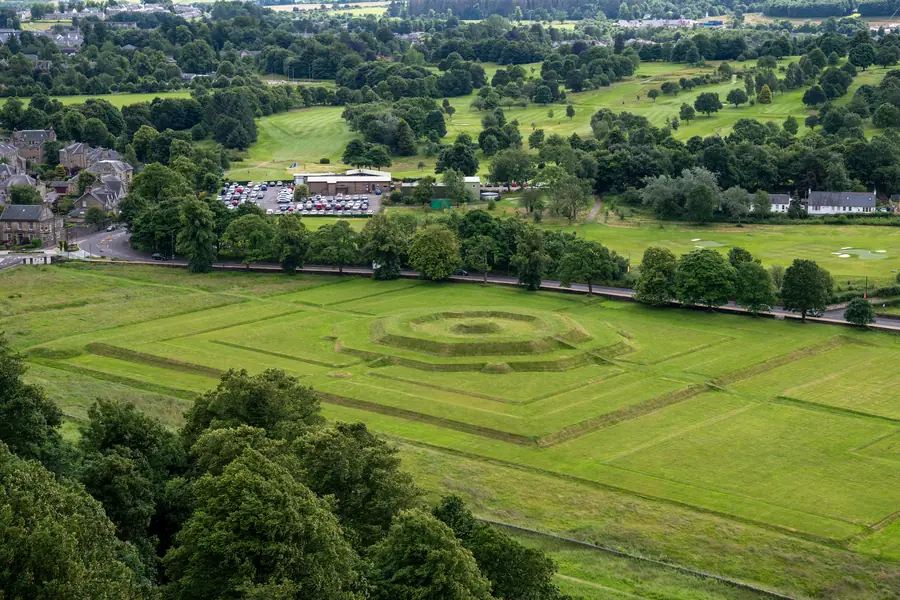
The top sights on one map — and a sensible order to see them in.
Attractions, prices and availability in Stirling
These come from GetYourGuide's booking widget, which sets their cookies in your browser. Consent to load it and see the attractions and prices.
Edinburgh Airport is the nearest, and has a good range of flights domestically, within Europe and beyond. It's 29 miles (47 km) southeast of Stirling, a 30-min drive along the M9 motorway. Or take the bus or tram from the airport to Haymarket or Edinburgh Park for frequent trains to Stirling. Glasgow Airport likewise has good domestic and European flights but fewer long-haul.
Stirling has trains every 30 min from Glasgow Queen Street, Edinburgh and Haymarket, and Perth; and hourly from Aberdeen and Dundee. There are trains every 15 min from Dunblane and hourly from Alloa. From Inverness there's an hourly service, alternately direct or changing at Perth. From Manchester or Birmingham change in Glasgow.
Written from what we found on the ground.
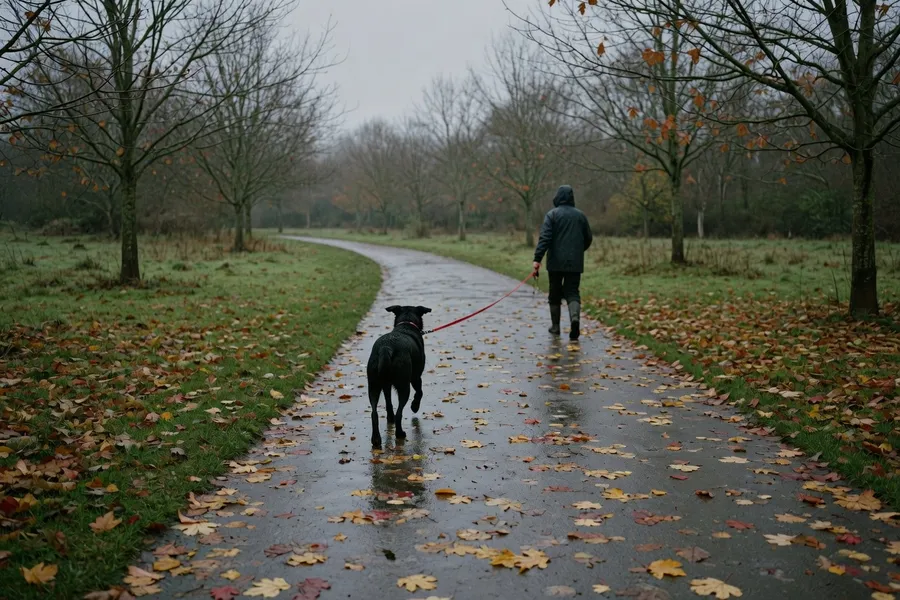 Dog-friendly Stirling Where to walk a dog in Stirling — King's Park, the river and the Ochils, the castle's assistance-dog rule, Abbey Craig and Bannockburn's open grounds, and the £80 fouling fine. Read the guide →
 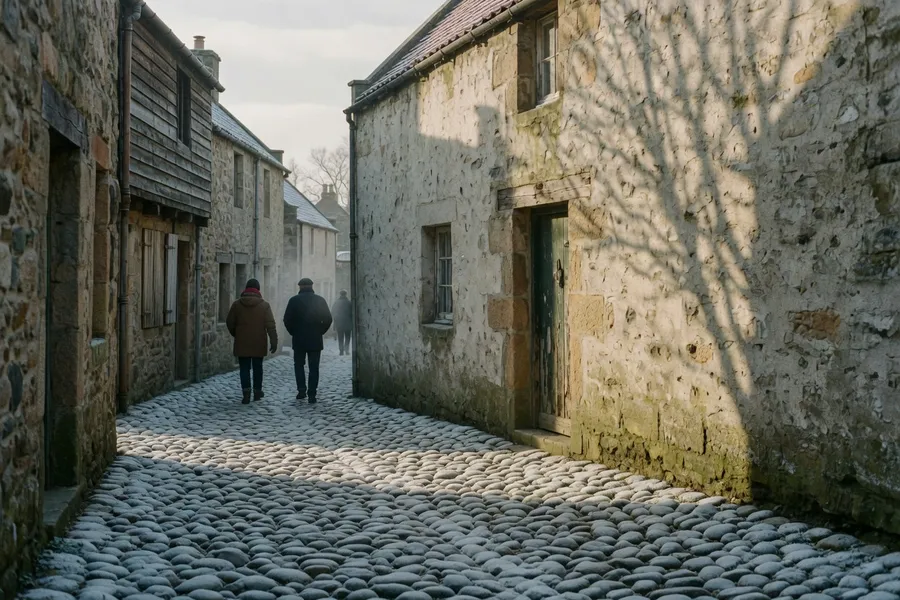 Stirling in winter What is open in Stirling through the short days — castle and Wallace Monument winter hours, Winterlight and Hogmanay, what closes, and why the quiet months are good value. Read the guide →
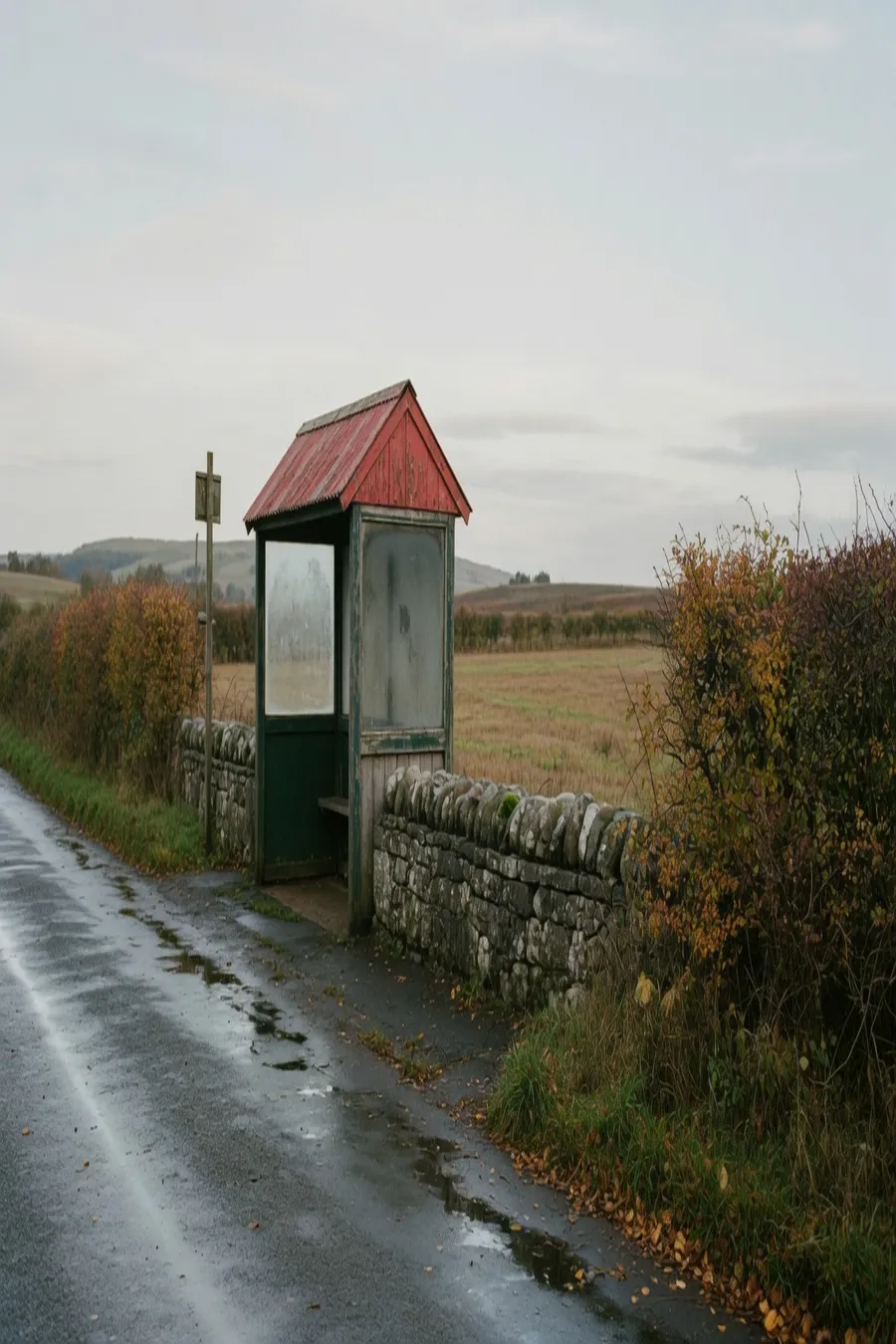
 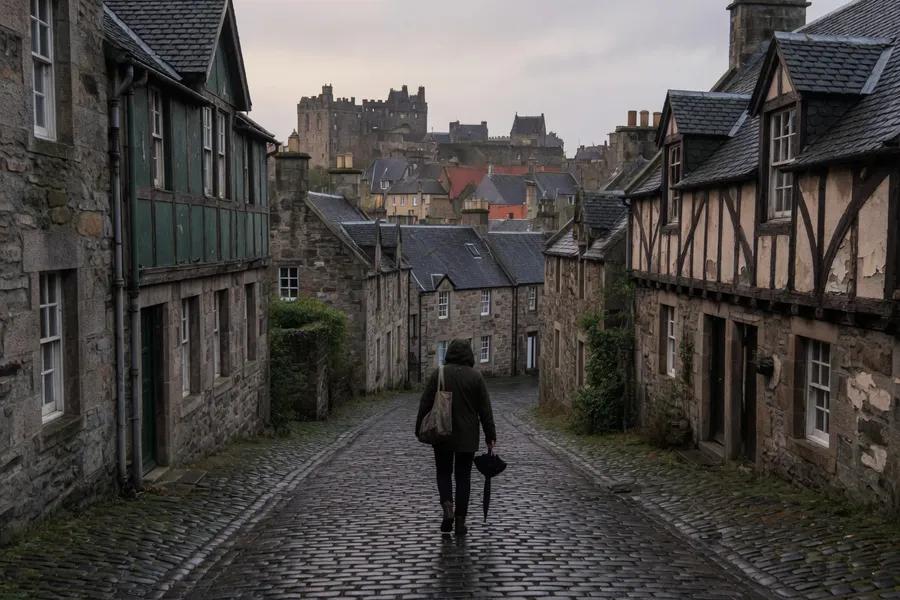 Stirling without a car Trains from Edinburgh and Glasgow, city buses to the castle, Bannockburn and the Wallace Monument, and walking the old town — a practical car-free plan for Stirling. Read the guide →
  Doune Castle from Stirling The 59 bus, what to see inside, the Terry Jones audio guide and the village of Doune — a day trip from Stirling to the Outlander and Monty Python castle. Read the guide →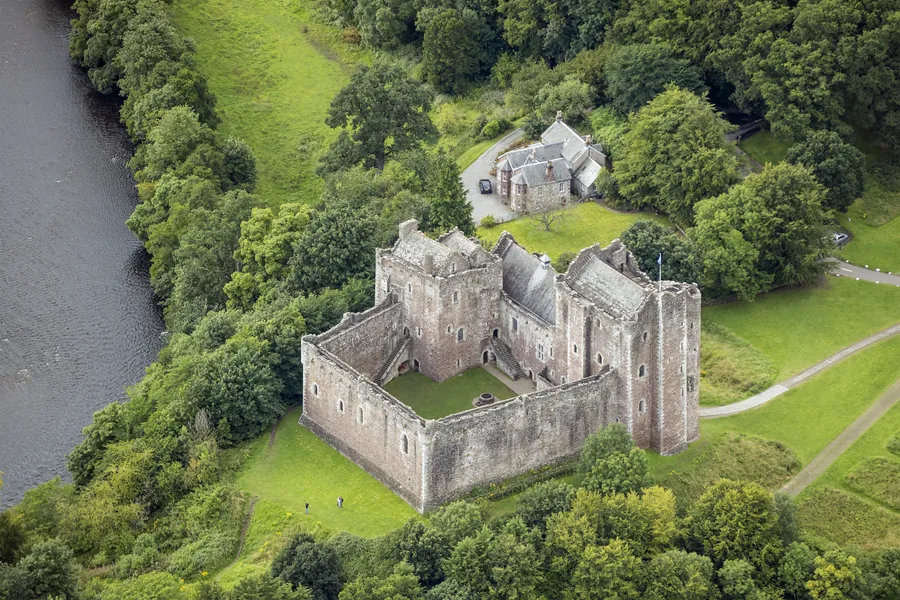
Guides, ideas and planning help for your visit, from the editors.
Read the guides