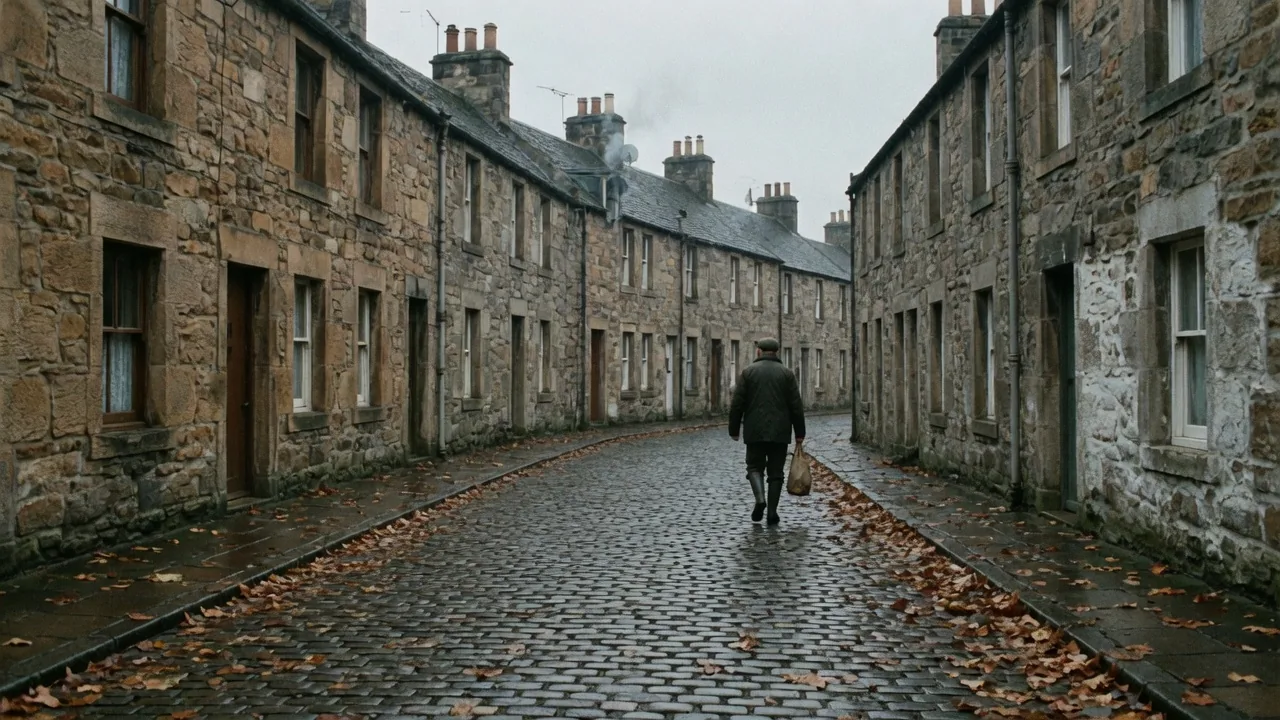
Stirling is a year-round city in a way that a Highland resort is not. A working high street, a university, and a castle that Historic Environment Scotland keeps open through the winter mean the lights stay on in January. That does not mean every month is the same month. The esplanade, the park-and-ride buses, the Wallace Monument steps and the hours at the Smith all run on different calendars.
Come in May or September if you want the castle without the crush. Come in June for long evenings on the Back Walk. Come in August only on purpose. Come in winter if you like painted rooms, wet stone and an old town you can hear. Do not arrive at midday on a summer Saturday and expect a quiet esplanade. The castle is the year-round engine; everything else moves around it.
This is the season the city would advertise if August did not pay the bills. Days are long enough. The Forth valley is green. King’s Park is in use without being a Saturday event, and you can stand on the Knot and look up at the castle without sharing the mound with a coach party.
The old-town streets work in May. Castle Wynd is for walking, not for shuffling. You can do Stirling Castle in the morning — our castle guide is blunt about allowing three hours — and still have the jail and the Holy Rude in the same afternoon.
East Central Scotland is drier than the west, but spring still means a waterproof. A wet day here is a castle-and-museum day rather than a write-off — the rain guide is a normal Stirling page, not a consolation. A midweek in term is the quietest castle you will get until November.
July and August are when the rest of the country decides Stirling is a day trip from Glasgow or Edinburgh. The esplanade fills. Castleview park and ride fills. The P2 buses thicken. Broad Street from late morning is a slow walk behind people who have just been set down at the jail stop.
The castle does not get bigger in summer. It gets a thicker visitor route, coach parties in the early afternoon, and a car park HES has already told you not to use. The building is still the reason to come. The visit is not the quiet one you will have in February.
Early is the only summer tactic that works. Be at the gate when it opens. Eat lunch off the esplanade — King Street, Baker Street, the Smith café — and do the walls in the evening, when the light on the Great Hall’s gold limewash is the thing people remember.
School holidays move the needle as much as the weather. A midweek in term-time July is not the first fortnight of August. If your dates are a holiday week, book the castle, book the jail, and treat parking as a morning decision. See Stirling with kids if the holiday is why you came.
This is the season to pick if you can move a date. The carse turns. The Ochils go bronze. From the castle walls, and from Abbey Craig, the Forth valley is the reason photographers come, and the streets below are quieter than they have been since May.
Days shorten — by late October you want to be off Dumyat and off the monument stairs with daylight in hand — but the city is still open. Historic Environment Scotland’s summer hours usually run to the end of September; winter hours are shorter. Check the castle’s own page for the day you are going, not a third-party box.
After the schools go back, Castleview breathes. The old town is a street again. A castle morning plus Abbey Craig in the afternoon still fits — the pairing August makes you rush.
Stirling in winter is a stone city in rain, which is what it has always been. The castle is at its most useful then, because so much of it is under a roof: the Royal Palace, the Great Hall, the Chapel Royal, the kitchens, the Stirling Heads gallery, the regimental museum, two cafés. The battlements are for the people who packed a coat. The buildings do not care what month it is.
Opening hours drop. In recent seasons HES has run the castle 9.30am to 5pm from October to March, with last entry an hour before close — 9.30am to 6pm in the summer half of the year. Those figures sit on the HES page and they move. 25 and 26 December are closed. 1 January has opened later, at 11am, when it has opened at all.
The Old Town Jail is the other winter room: an hour of theatre in a real prison, then a tower if the wind allows. See the jail piece.
The Stirling Smith Art Gallery & Museum is the free indoor hour, and this is where other guides go wrong. As of the museum’s own site it is open Wednesday to Sunday, 10am–5pm, and closed Monday and Tuesday. Guides that say “closed Monday” are a day short. Check the Smith the week you travel; a local museum can move a day without a press release.
A wet Tuesday in January is a very good time for the painted rooms in the castle, if you pack a coat. Combine the castle and the old town on the short day. Save the Wallace Monument and Bannockburn for a day with more light.
Do not invent a Hogmanay programme for Stirling. The city has one some years and not others, and a blog post is not a listings page. If you are coming between Christmas and New Year, read the castle’s own closures, the jail’s own bookings, and whatever the council has actually published for that week.
The pattern you can stand on is thinner than the marketing: the castle shuts on Christmas Day and Boxing Day, and New Year’s Day is a late start when it is a start at all. Hotels fill. Car parks behave as if it were August.
If you wanted fireworks and a street party, look at what Glasgow and Edinburgh are actually running, and treat Stirling as the quieter base. Our day trips page is the train for that idea.
People pack insect repellent for Stirling because they have read a Highland blog. Midges are a west-coast and Highland problem — still evenings, boggy ground, the Trossachs in a wet July. Stirling town sits on a windy crag above drained carse. You may meet them in the wooded hillfoots glens on a still summer evening, which is a reason to walk Alva earlier, not a reason to skip the city. They are not why a castle queue moves slowly in August. That is people.
Everything else on this page is weather and crowds. The castle is the constant.
It is open through the year, with the Christmas closures above. Hours change with the season, with events on the esplanade, and with the occasional conservation close. Check the castle’s own site for the day you are going.
Costumed interpreters in the palace work better with a small audience, which is a midweek-in-March argument as much as a weather one. The free guided tours, when they are running, are the best first hour. A first visit in any month should still allow three hours. The month only decides whether those three hours in Stirling Castle are shared with four coach parties.
The Wallace Monument is a hill, a wood, and 246 steps. It wants daylight, and it wants a dry stair if you can pick. A short winter afternoon that has already used the castle will run out of light on Abbey Craig. Save it for a longer day — May, June, September — and use the Wallace and Bannockburn piece.
Bannockburn is a timed indoor experience plus a rotunda and a statue outside. The indoor half works in any month. The field wants a day you can stand on.
King’s Park is year-round and free. Water play is a summer switch. The Knot is always there. See the park and Knot piece. The Back Walk around the crag is an hour in any season; Dumyat is a clear-day project. See walks around Stirling.
The University of Stirling, out at Bridge of Allan, puts students through the cheaper cafés in term and takes them away in the summer vac. Term is a university town with a castle; July and August is a castle town with empty lecture rooms. Our eating guide is explicit about using the streets below the rock.
There is almost no useful parking on the castle hill. The esplanade is restricted. Castleview park and ride is the summer answer and a perfectly good winter one. School holidays, fine weekends and the days around New Year are when that sentence becomes the whole morning. A wet day fills Wellgreen faster, not slower. Arrive by train if you can. The parking guide is the operational document.
The month you pick decides whether you see the rooms or the queues. May and September are the rooms.